Winter-only hotels: stays with an expiry date
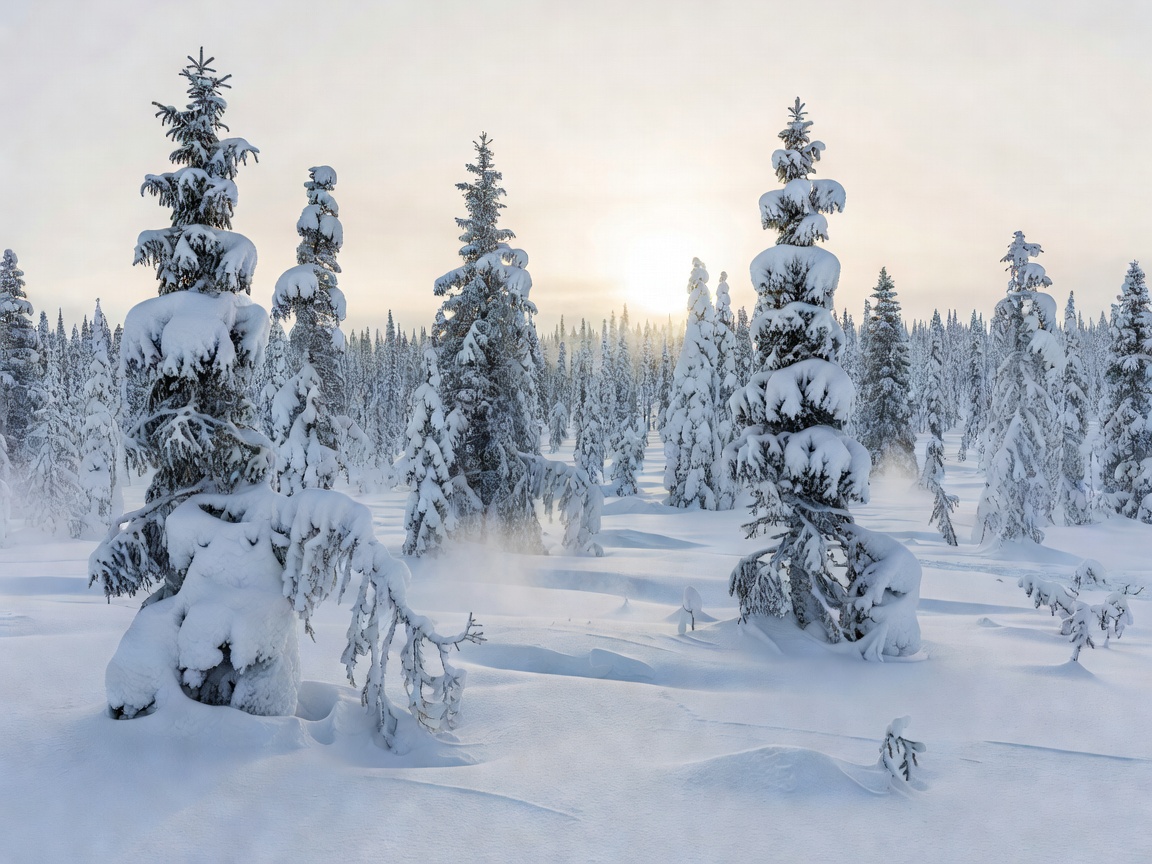
Some of Europe's most remarkable hotels only exist for a few months a year. Swedish Lapland's ICEHOTEL and Norway's Sorrisniva Igloo Hotel are rebuilt each winter from river ice and snow, then left to melt in spring. Glass-igloo resorts such as Kakslauttanen operate on a seasonal rhythm too, while seasonal snow igloos appear only when temperatures allow.
How a night in an ice room works
- Rooms are kept around −5 °C, regardless of the outside temperature.
- You'll receive an expedition-grade sleeping bag and a cold-room briefing.
- Luggage stays in a heated area; warm toilets, showers and saunas are nearby.
- Most travellers book one ice night combined with warm-room nights.
When to go
Seasonal ice hotels generally open in December and close between late March and mid-April. February combines full builds, returning daylight and stable cold.
Northern Lights stays: improving your odds
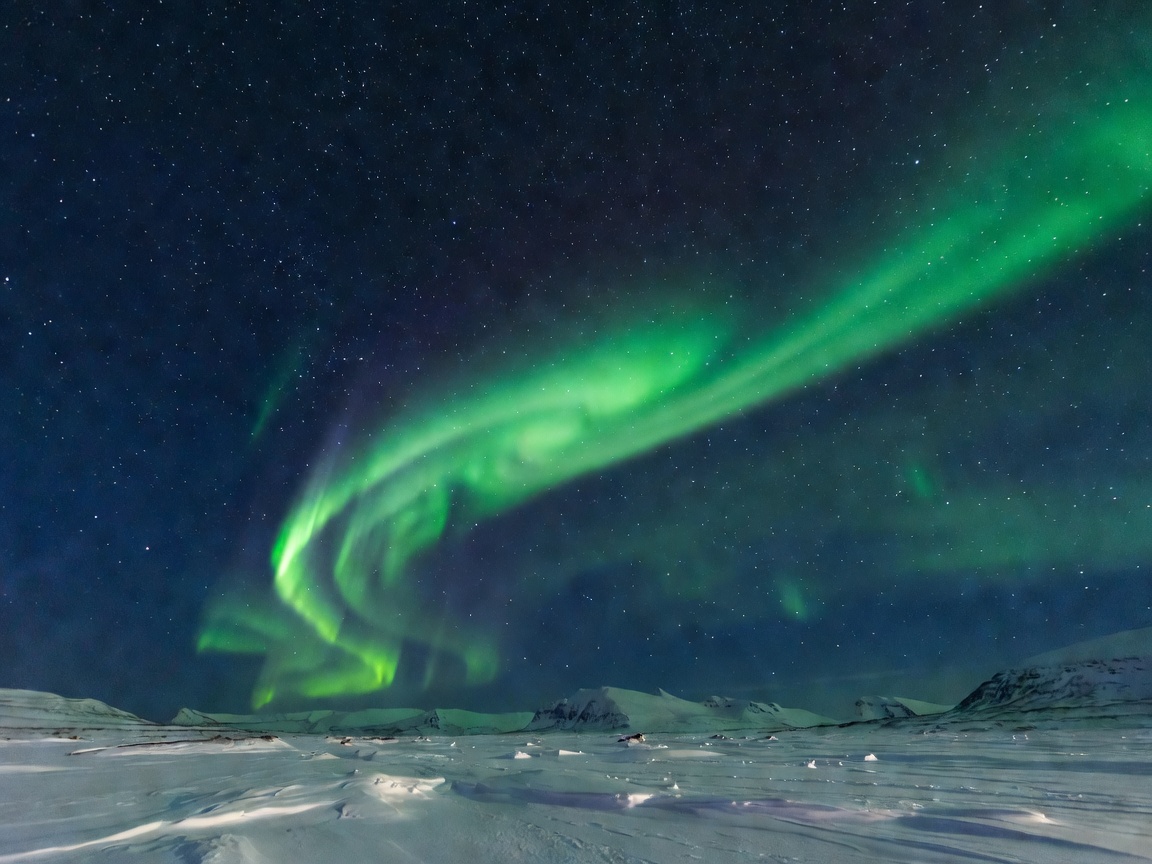
The aurora oval sits over northern Scandinavia, Finnish Lapland and Iceland. The visible season runs from late August to early April – whenever skies are dark enough.
Best stays: Kakslauttanen, Arctic TreeHouse Hotel, ION Adventure Hotel.
Summer Arctic experiences & the midnight sun
North of the Arctic Circle the sun doesn't set around the summer solstice. In Alta it stays above the horizon from roughly mid-May to late July; in Kiruna from late May to mid-July. Iceland, just south of the circle, enjoys near-endless bright nights.
What changes at a seasonal hotel
- ICEHOTEL 365 stays frozen with solar-powered cooling – an ice suite in July.
- Glass-walled rooms swap aurora views for golden all-night light; blackout blinds matter.
- Rivers become playgrounds: rafting on the Torne, boat trips through Sautso Canyon.
- Hiking trails, mountain roads and fjord passes reopen.
Practical tips
Bring an eye mask, insect repellent for June–July, and layers – temperatures can swing from 25 °C to single digits in a day.
Snow & ice architecture explained
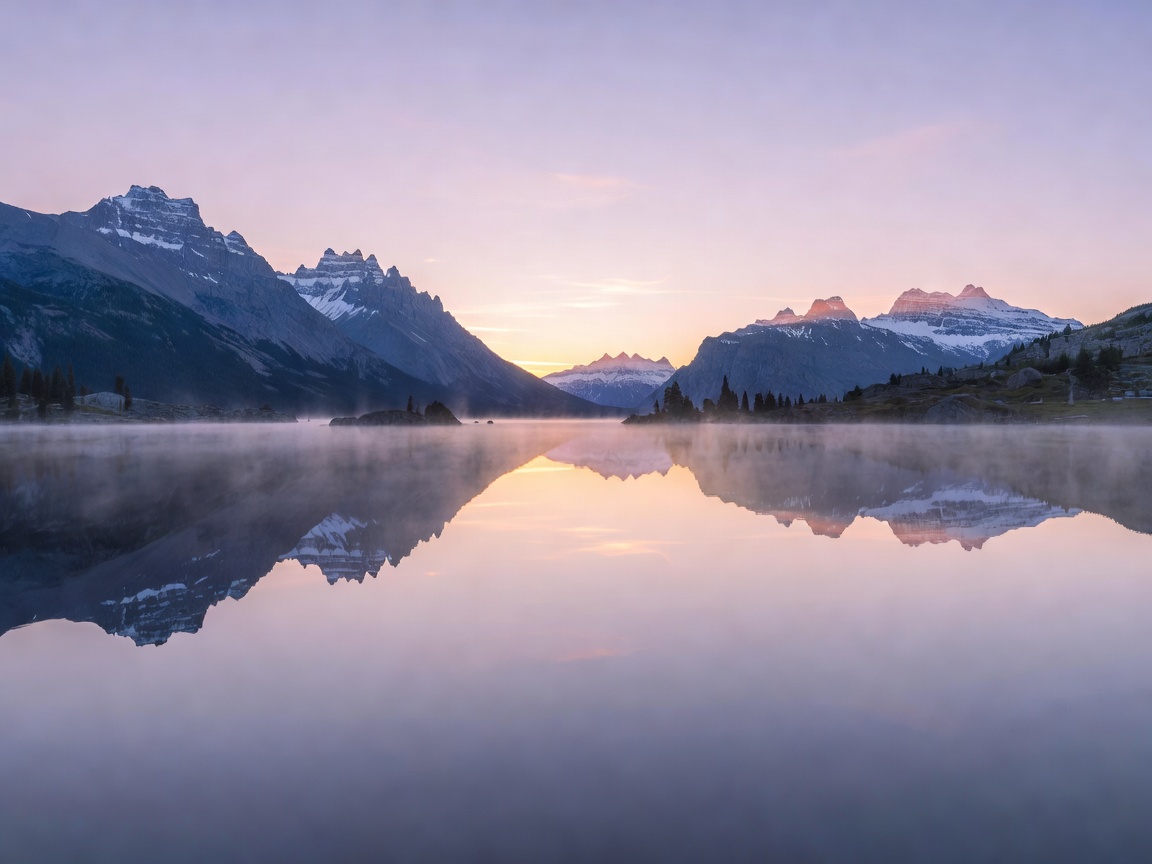
Ice hotels are temporary architecture in the truest sense. Builders combine natural ice blocks with "snice" – a dense mix of snow and ice sprayed over curved steel forms that are removed once the material sets, leaving self-supporting vaults.
Glass architecture is the counterpart: thermal glass igloos, Studio Puisto's forest-facing units at Arctic TreeHouse and Jensen & Skodvin's landscape rooms at Juvet all bring the environment indoors rather than building from it.
Mountain seasons in the Alps
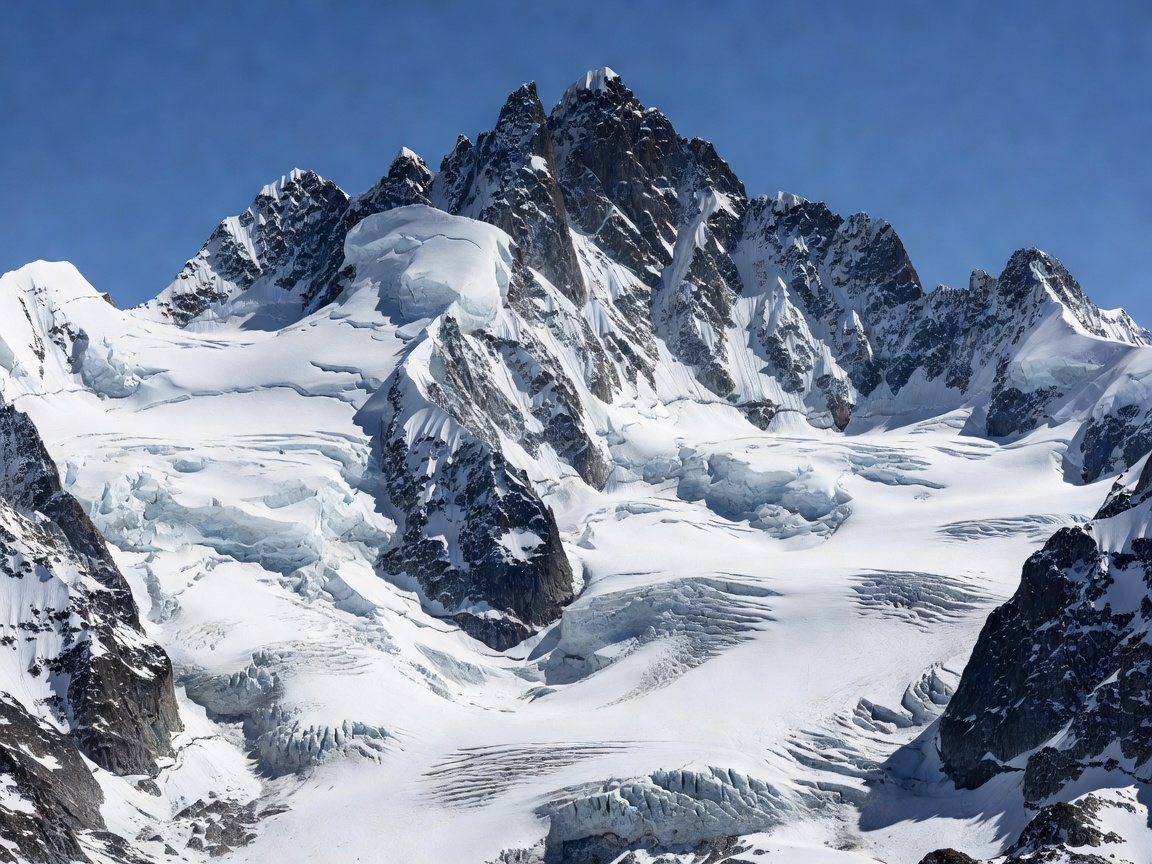
High-altitude hotels like 3100 Kulmhotel Gornergrat live by four distinct mountain seasons:
- Winter (Dec–Mar): ski season, short days and the clearest night skies.
- Spring (Apr–May): sunny late-season skiing high up while valleys bloom.
- Summer (Jun–Sep): hiking, glacier viewpoints, wildflowers and mountain lakes.
- Autumn (Oct–Nov): golden larches, first snow and quiet shoulder months when some lifts and hotels close.
At over 3,000 m, take altitude seriously: hydrate, ascend gradually where possible and protect against intense UV year-round.
Unusual weather-related hotel experiences
Beyond snow and ice, Europe offers stays shaped by geothermal heat, volcanic landscapes and dramatic storms.
Weather safety checklist
- Check road conditions (e.g. road.is in Iceland, vegvesen.no in Norway) before driving.
- Follow national weather services such as vedur.is, yr.no and MeteoSwiss.
- Purchase travel insurance covering weather and natural-hazard disruption.
- Pack wool base layers, windproof shells and traction aids for icy paths.
Year planner: what happens each month
Tap any month for environmental highlights across Europe's extreme hotels.
Surrounding highlights worth adding
- Swedish Lapland: Abisko National Park and the Aurora Sky Station; the Kungsleden trail in summer.
- Finnish Lapland: Siida Sámi Museum in Inari, Urho Kekkonen National Park and Ranua Wildlife Park.
- Finnmark: UNESCO-listed Alta rock art and the Northern Lights Cathedral.
- Fjord Norway: Geirangerfjord, Trollstigen and Ålesund's Art Nouveau quarter.
- Iceland: Þingvellir, Silfra fissure and the Reykjanes UNESCO Global Geopark.
- Swiss Alps: Car-free Zermatt, the Riffelsee and Matterhorn Glacier Paradise.